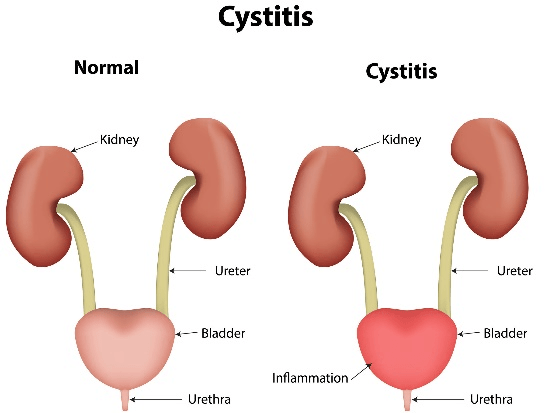
Cystitis is a medical condition that refers to inflammation of the bladder. It is a type of urinary tract infection (UTI) that is caused by bacterial or viral infection. Common symptoms of Cystitis include pain or burning during urination, frequent urination, blood in the urine, lower abdominal pain, and a strong urge to urinate even when the bladder is empty.
Women are more commonly affected by Cystitis than men due to the shorter length of their urethra, which makes it easier for bacteria to travel up into the bladder.
What is the main cause of Cystitis?
The main cause of Cystitis is a bacterial infection, typically from Escherichia coli (E. coli) bacteria that normally live in the bowel. When these bacteria get into the urethra (the tube that carries urine out of the body), they can travel up to the bladder and cause an infection.
Other less common causes of Cystitis include viral infections, fungal infections, and irritation from certain products or activities such as using certain types of contraceptives, spermicides, or prolonged use of a catheter.
Additionally, some factors can increase the risk of developing Cystitis, such as not drinking enough fluids, wiping from back to front after using the toilet, having diabetes, being sexually active, and having a weakened immune system.
Signs and symptoms of Cystitis
The signs and symptoms of Cystitis can vary depending on the severity of the inflammation and the cause of the infection.
However, some common signs and symptoms of cystitis may include:
- Pain or burning during urination
- Frequent urination, often in small amounts
- Blood in the urine (hematuria)
- Strong, persistent urge to urinate
- Cloudy or strong-smelling urine
- Pelvic discomfort or pressure
- Low-grade fever
- Pain during sexual intercourse
In some cases, people with Cystitis may not experience any symptoms. However, if untreated, Cystitis can lead to more serious complications, such as kidney infections, so it is important to seek medical attention if you suspect you have Cystitis.
What is the difference between a UTI and Cystitis?
A UTI (urinary tract infection) is a term used to describe an infection in any part of the urinary system, which includes the bladder, urethra, kidneys, and ureters. Cystitis, on the other hand, specifically refers to an infection or inflammation of the bladder.
While Cystitis is a type of UTI, not all UTIs involve the bladder. For example, a UTI that affects the urethra is called urethritis, while an infection of the kidneys is called pyelonephritis.
The symptoms of a UTI and Cystitis can be similar, such as pain or burning during urination, frequent urination, and lower abdominal pain. However, Cystitis usually presents with more localized pain or discomfort in the bladder area.
It’s important to see a doctor for proper diagnosis and treatment, as untreated UTIs and Cystitis can lead to more serious complications such as kidney infections.
Will Cystitis go away on its own?
In some cases, mild Cystitis may go away on its own without treatment, but it’s not recommended to rely on this happening, as leaving Cystitis untreated can lead to more serious complications such as kidney infections.
If you suspect you have Cystitis, it’s important to see a doctor for proper diagnosis and treatment. While waiting for treatment, you can try some self-care measures to ease your symptoms, such as drinking plenty of fluids, avoiding irritants such as alcohol and caffeine, and using a heating pad on your lower abdomen to help relieve pain.
It’s important to complete the treatment as prescribed by your doctor, even if your symptoms improve or go away before the course is finished, to ensure that the infection is completely cleared and prevent it from recurring.
Best Homeopathic Medicine for Cystitis
As a Homeopathic practitioner, I cannot provide medical advice or recommend specific treatments for Cystitis. It’s important to consult with a qualified homeopathic practitioner or a licensed healthcare professional who can take a thorough medical history, examine you, and provide an appropriate treatment plan based on your individual needs and symptoms.
They can also help determine if homeopathy is a suitable treatment option for your cystitis.
While there are some homeopathic remedies that may be used for the treatment of Cystitis, such as Aconite, Cantharis, Hyosyamus, Staphysagria, Apis mellifica, Arsenicum, Sarsaparilla, Sulfur, and Silicea.
Signs and symptoms of commonly used Homeopathic remedies for Cystitis
Cantharis: This remedy is commonly used for Cystitis with symptoms of burning pain during urination, frequent and urgent need to urinate, and discomfort in the bladder area.
Apis Mellifica: This remedy is used for Cystitis with symptoms of stinging pain during urination, a sensation of fullness in the bladder, and a feeling of burning and heat in the urinary tract.
Staphysagria: This remedy is used for Cystitis caused by sexual activity, particularly in women. It is also used for urinary tract infections that result from catheterization.
Sarsaparilla: This remedy is used for Cystitis with symptoms of burning pain at the end of urination and a frequent urge to urinate.
It’s important to note that homeopathic remedies should be chosen based on individual symptoms, and a qualified homeopathic practitioner can help determine the appropriate remedy for your specific case.
Diet and precautions need to follow for Cystitis
Making some dietary and lifestyle changes can help reduce the risk of developing Cystitis and alleviate its symptoms. Here are some tips that can be helpful:
- Drink plenty of fluids: Drinking water and other fluids can help flush out bacteria from the bladder and reduce the risk of infection.
- Avoid irritants: Avoid irritants like caffeine, alcohol, carbonated drinks, spicy foods, and acidic foods, as they can irritate the bladder and worsen Cystitis symptoms.
- Good hygiene: Good hygiene practices like wiping from front to back after using the toilet, urinating before and after sexual activity, and avoiding tight-fitting clothes can help prevent the spread of bacteria and reduce the risk of Cystitis.
- Cranberry juice: Drinking cranberry juice or taking cranberry supplements may help reduce the risk of Cystitis by preventing bacteria from sticking to the bladder wall.
- Probiotics: Consuming probiotics or foods that contain probiotics may help restore the natural balance of bacteria in the urinary tract and prevent the growth of harmful bacteria.
- Urinate frequently: Urinating frequently and completely can help flush out bacteria from the bladder and reduce the risk of infection.
- Avoid using spermicides and certain contraceptives: Using spermicides and certain types of contraceptives such as diaphragms or unlubricated condoms may increase the risk of cystitis.
It’s important to note that these tips are not a substitute for medical treatment, and you should always consult a healthcare professional if you suspect you have Cystitis or are experiencing any related symptoms.
Discover more from Homoeopathy For Healthcare
Subscribe to get the latest posts sent to your email.
 Homoeopathy For Healthcare