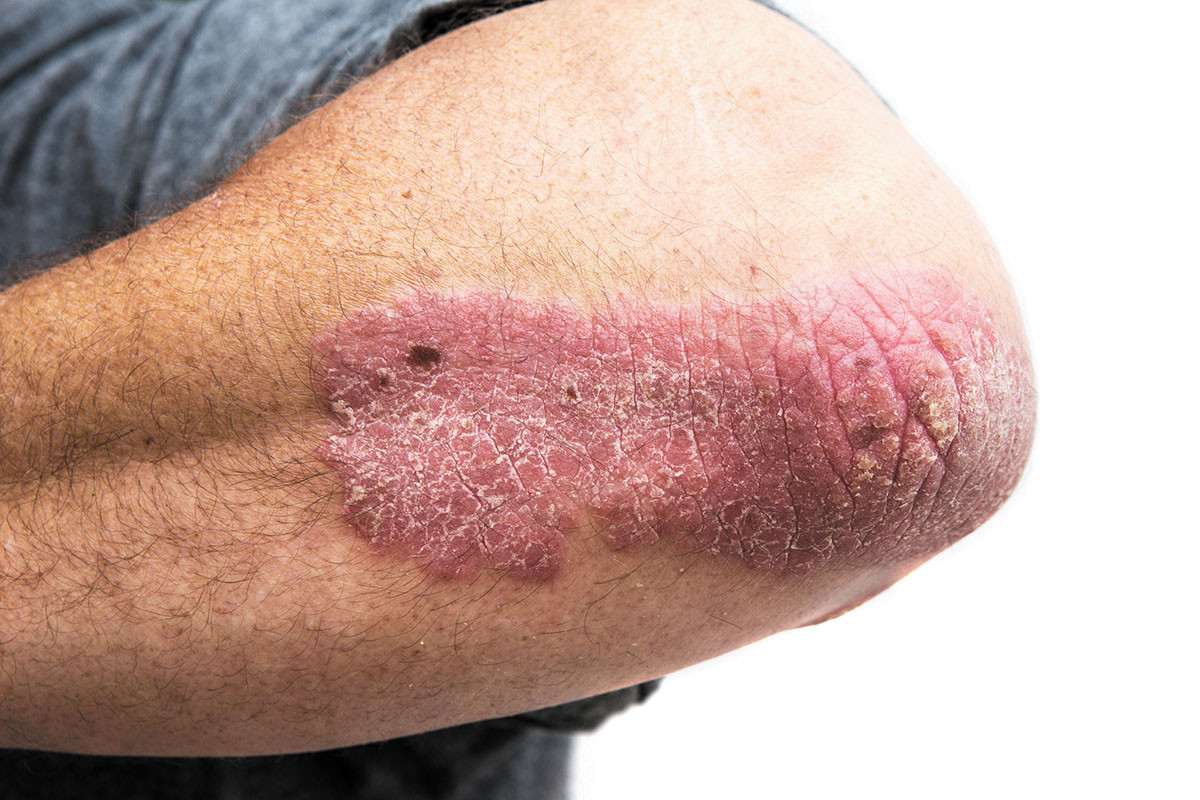
Psoriasis is a chronic autoimmune disorder that affects the skin, causing red, scaly patches that can be itchy and painful. While homeopathy is sometimes used as a treatment for psoriasis, there is limited scientific evidence to support its effectiveness. Homeopathic treatment for psoriasis typically involves a thorough evaluation of the patient’s symptoms and overall health, followed by the selection of a homeopathic remedy that is believed to match the patient’s individual symptoms and constitutional type.
Proponents of homeopathy argue that it can help to address the underlying causes of psoriasis, such as stress or a weakened immune system, and that it can be an effective form of treatment for some patients.
However, critics point out that there is little scientific evidence to support these claims, and that many homeopathic remedies are highly diluted and may not contain any active ingredients at all.
Ultimately, the decision to use homeopathy as a treatment for psoriasis is a personal one that should be made in consultation with a qualified healthcare provider.
Patients should be aware that while some people may experience benefits from homeopathic remedies, others may not, and that there are many other treatment options available for psoriasis, including prescription medications, light therapy, and lifestyle changes
What causes Psoriasis?
Psoriasis is a chronic autoimmune disorder that affects the skin. While the exact cause of psoriasis is not fully understood, it is believed to be a combination of genetic, environmental, and immune system factors.
Genetic factors: Psoriasis tends to run in families, suggesting that there is a genetic component to the disease. Researchers have identified several genetic markers that are associated with an increased risk of developing psoriasis.
Environmental factors: Environmental factors, such as stress, infections, and injuries to the skin, can trigger psoriasis in people who are genetically predisposed to the disease. Certain medications, such as beta-blockers and lithium, can also trigger or worsen psoriasis symptoms.
Immune system factors: Psoriasis is believed to be caused by an overactive immune system that mistakenly attacks healthy skin cells. This causes the skin to become inflamed and produces the characteristic red, scaly patches of psoriasis.
While psoriasis cannot be cured, there are many treatments available that can help to manage the symptoms of the disease. These include topical medications, phototherapy, systemic medications, and lifestyle changes such as stress reduction and dietary modifications.
A healthcare provider can help to determine the best treatment options for each individual based on the severity of their symptoms and overall health.
What should you do to prevent Psoriasis?
Psoriasis is a chronic autoimmune disorder that cannot be completely prevented, but there are steps that people can take to reduce the risk of developing the condition or to manage its symptoms.
Maintain a healthy lifestyle: Eating a healthy diet, getting regular exercise, and avoiding smoking and excessive alcohol consumption can help to support a healthy immune system and reduce the risk of developing psoriasis.
Protect your skin: Avoiding injuries to the skin and protecting the skin from excessive sun exposure can help to prevent psoriasis flare-ups.
Manage stress: Stress can trigger psoriasis flare-ups, so managing stress through techniques such as meditation, yoga, or therapy can help to reduce the frequency and severity of symptoms.
Avoid certain medications: Some medications, such as beta-blockers and lithium, can trigger or worsen psoriasis symptoms. It’s important to talk to a healthcare provider before starting any new medications to understand the potential risks.
See a dermatologist: Regular skin checkups with a dermatologist can help to identify early signs of psoriasis or other skin conditions and ensure that they are promptly treated.
It’s important to note that while these steps can help to reduce the risk of developing psoriasis or manage its symptoms, they cannot completely prevent the condition from developing.
If you suspect that you may have psoriasis or are experiencing symptoms, it’s important to seek the advice of a healthcare provider for an accurate diagnosis and appropriate treatment.
Best Homeopathic remedies for Psoriasis
It’s important to note that there is limited scientific evidence to support the effectiveness of homeopathic remedies for psoriasis. However, some homeopathic remedies that are commonly used to treat psoriasis include:
- Arsenicum album: Ideal for psoriasis with intense itching and burning, aggravated by cold and alleviated by warmth. Those benefiting from Arsenicum album may exhibit restlessness and anxiety.
- Graphites: Suitable for psoriasis characterized by thick, cracked skin oozing a sticky discharge, particularly affecting the palms, soles, and behind the ears. Individuals requiring Graphites often feel sluggish and may struggle with weight gain.
- Sulphur: Versatile Sulphur is indicated for psoriasis featuring dry, itchy eruptions worsened by heat and washing. Individuals may exhibit warmth intolerance and intellectual creativity.
- Rhus toxicodendron: Recommended for psoriasis with intense itching and burning exacerbated by cold, damp conditions. Useful when joint stiffness accompanies psoriatic eruptions, alleviated by motion.
- Calcarea carbonica: Suitable for psoriasis in those prone to obesity and excessive sweating, especially on the scalp and joint bends. Often overwhelmed by responsibility, individuals may experience cold extremities.
- Thuja occidentalis: Beneficial for psoriasis with thick, painful, or itchy pustular eruptions. Indicated for those with a history of vaccination or compromised immune function.
- Petroleum: Petroleum is effective for psoriasis with dry, cracked skin, especially on the hands and fingertips, aggravated by cold air and washing. Individuals may also experience digestive issues and irritability.
- Mezereum: Mezereum is indicated for psoriasis with thick, leathery patches that ooze a sticky fluid, often accompanied by intense itching and burning. The eruptions may be worse at night and from warmth.
- Sepia: Sepia is suited for psoriasis in women, particularly during hormonal changes such as menopause or after childbirth. The skin may be dry and itchy, and individuals may experience mood swings and fatigue.
- Natrum muriaticum: Recommended for psoriasis triggered or exacerbated by grief, emotional stress, or exposure to the sun. The skin may be dry, cracked, and excessively oily in some areas.
Conclusion
Psoriasis presents a complex challenge, but homeopathy offers a nuanced, individualized approach to symptom management. By addressing the underlying imbalances within the body, homeopathic remedies aim not only to alleviate skin symptoms but also to promote overall well-being. It’s crucial to consult with a qualified homeopath for accurate remedy selection and dosage. With the right guidance, individuals can navigate their psoriasis journey with confidence, embracing a natural path to relief and improved quality of life.
Discover more from Homoeopathy For Healthcare
Subscribe to get the latest posts sent to your email.
 Homoeopathy For Healthcare