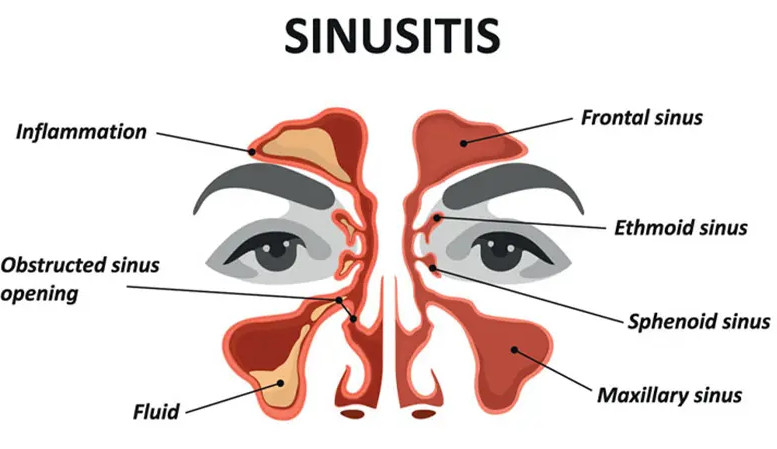
Sinusitis is a condition that causes inflammation of the sinuses. Homeopathy is a complementary and alternative medicine that uses highly diluted substances to treat symptoms. According to a study published in the Journal of Alternative and Complementary Medicine, homeopathic remedies may be effective in treating sinusitis.
What is Sinusitis?
Sinusitis, also known as a sinus infection, is an inflammation or swelling of the tissues that line the sinuses. The sinuses are small, air-filled cavities located in the skull, behind the forehead, cheeks, and eyes. They are lined with a thin layer of mucus that helps to trap and filter out pollutants and bacteria that enter the nasal passages.
When the sinuses become inflamed or infected, the mucus can become blocked, leading to pressure, pain, and other symptoms. Sinusitis can be caused by various factors, including viral or bacterial infections, allergies, or anatomical issues like a deviated septum.
Common symptoms of sinusitis include:
- Pain or pressure in the face, forehead, or around the eyes
- Headache
- Congestion or stuffiness in the nose
- Thick, discolored mucus
- Postnasal drip
- Cough
- Bad breath
- Fatigue
- Fever
Acute sinusitis typically lasts for less than four weeks, while chronic sinusitis can last for more than 12 weeks or recur frequently. Treatment for sinusitis may include antibiotics, decongestants, nasal corticosteroids, and saline irrigation. In some cases, surgery may be needed to improve the drainage of the sinuses.
Causes of Sinusitis
Sinusitis can be caused by a variety of factors, including:
- Viral infections: Viruses that cause the common cold or flu can infect the sinuses and lead to sinusitis.
- Bacterial infections: Bacteria can also infect the sinuses and cause sinusitis. This is more likely to happen after a viral infection has weakened the immune system.
- Allergies: Allergies to environmental triggers such as pollen, dust, or animal dander can cause inflammation in the sinuses and lead to sinusitis.
- Structural issues: Abnormalities in the structure of the nose or sinuses, such as a deviated septum or narrow sinus passages, can make it difficult for mucus to drain properly and lead to sinusitis.
- Immune system disorders: Conditions that weaken the immune system, such as HIV/AIDS or autoimmune disorders, can increase the risk of sinusitis.
- Nasal polyps: Small growths in the lining of the nose or sinuses, known as nasal polyps, can block the nasal passages and lead to sinusitis.
- Dental infections: Infections in the teeth or gums can spread to the sinuses and cause sinusitis.
- Irritants: Exposure to irritants such as smoke, pollution, or chemicals can irritate the sinuses and lead to sinusitis.
It’s important to identify the underlying cause of sinusitis to determine the most effective treatment. Your doctor or healthcare provider can help you identify the cause of your sinusitis and recommend appropriate treatment options.
Top 10 Commonly Used Homeopathic Remedies For The Treatment of Sinusitis
Homeopathy offers a variety of remedies that may be helpful for sinusitis, depending on the unique symptoms of the individual. Here are some common homeopathic remedies for sinusitis and their guiding symptoms:
- Kali bichromicum: This remedy is indicated for sinusitis with thick, stringy, yellow, or green mucus. The pain is often concentrated around the forehead and may be worse in the morning or with cold weather. The person may feel better from warmth and worse from exposure to cold.
- Pulsatilla: This remedy is indicated for sinusitis with thick, yellow-green discharge that worsens at night. The person may feel better in the fresh air and worse in a warm room. They may also experience a loss of taste or smell.
- Silicea: This remedy is indicated for sinusitis with a blocked nose and a feeling of pressure in the forehead. The person may feel better from warmth and worse from cold and may be prone to recurrent sinus infections.
- Belladonna: This remedy is indicated for sinusitis with a sudden onset of symptoms, such as a severe headache, high fever, and red, swollen sinuses. The person may feel better from applying pressure to the affected area, and worse from light and noise.
- Hepar sulphuris calcareum: This remedy is indicated for sinusitis with a sensation of splinters or foreign bodies in the nose, and a tendency to develop abscesses or boils. The person may feel better from warmth and worse from exposure to cold.
- Nux vomica: This remedy is indicated for sinusitis with a stuffy nose and a headache that feels like a band around the head. The person may feel better from warmth and worse from cold and may tend to irritability or digestive upset.
- Mercurius solubilis: This remedy is indicated for sinusitis with a sensation of heat and swelling in the face, and a tendency to develop ulcers or sore throats. The person may feel better from cool, damp weather and worse from warmth.
- Natrum muriaticum: This remedy is indicated for sinusitis with a watery discharge and a feeling of dryness in the nose. The person may feel better from fresh air and worse from dampness or humidity.
- Arsenicum album: This remedy is indicated for sinusitis with a thin, watery discharge and a burning sensation in the nose. The person may feel better from warmth and worse from cold and may tend to anxiety or restlessness.
- Allium cepa: This remedy is indicated for sinusitis with a profuse, watery discharge that irritates the skin around the nose and upper lip. The person may feel better from fresh air and worse from warm rooms, and may also have symptoms of hay fever or allergies.
These remedies should be used under the guidance of a qualified homeopath, and may not be appropriate for everyone. It’s important to seek professional advice before using any homeopathic remedy.
Diet and precautions need to follow to avoid Sinus Infection or Sinusitis
While there is no specific diet or set of precautions that can completely prevent sinusitis, there are certain steps you can take to reduce your risk of developing a sinus infection. Here are some dietary and lifestyle tips that may help:
Stay hydrated: Drinking plenty of water and other fluids can help keep the mucus in your sinuses thin and flowing, which can reduce the risk of infection.
Avoid irritants: Irritants like cigarette smoke, air pollution, and strong odors can irritate the sinuses and increase the risk of infection. Try to avoid exposure to these irritants as much as possible.
Manage allergies: If you have allergies, it’s important to manage them effectively to reduce inflammation in the sinuses. This may involve avoiding triggers, taking medication, or undergoing immunotherapy.
Use a humidifier: Dry air can irritate the sinuses, so using a humidifier in your home can help keep the air moist and reduce your risk of infection.
Practice good hygiene: Wash your hands frequently, avoid touching your face, and clean and disinfect surfaces that may harbor germs to reduce the risk of infection.
Eat a healthy diet: Eating a balanced diet that includes plenty of fruits, vegetables, and whole grains can help boost your immune system and reduce the risk of infection.
Avoid dairy products: Some people with sinusitis find that consuming dairy products like milk, cheese, and yogurt can increase mucus production and worsen their symptoms. If you notice that dairy products seem to exacerbate your sinusitis, try eliminating them from your diet temporarily to see if it makes a difference.
It’s also important to see a healthcare provider if you have persistent or severe sinusitis symptoms, as prompt treatment can help prevent complications and speed up recovery.
Discover more from Homoeopathy For Healthcare
Subscribe to get the latest posts sent to your email.
 Homoeopathy For Healthcare