Homeopathic medicine can be effective in treating anal fissures and providing relief from symptoms. Several studies have shown the effectiveness of homeopathic remedies in treating anal fissures.
One study published in the Journal of Clinical and Diagnostic Research found that a combination of homeopathic remedies reduced pain, itching, and bleeding in patients with anal fissures. Another study published in the Journal of Alternative and Complementary Medicine found that homeopathic remedies were effective in reducing pain and improving healing in patients with chronic anal fissures.
Homeopathic remedies are selected based on the individual’s specific symptoms and overall health. A qualified homeopathic practitioner can assess your symptoms and provide an individualized treatment plan.
What is Anal Fissure?
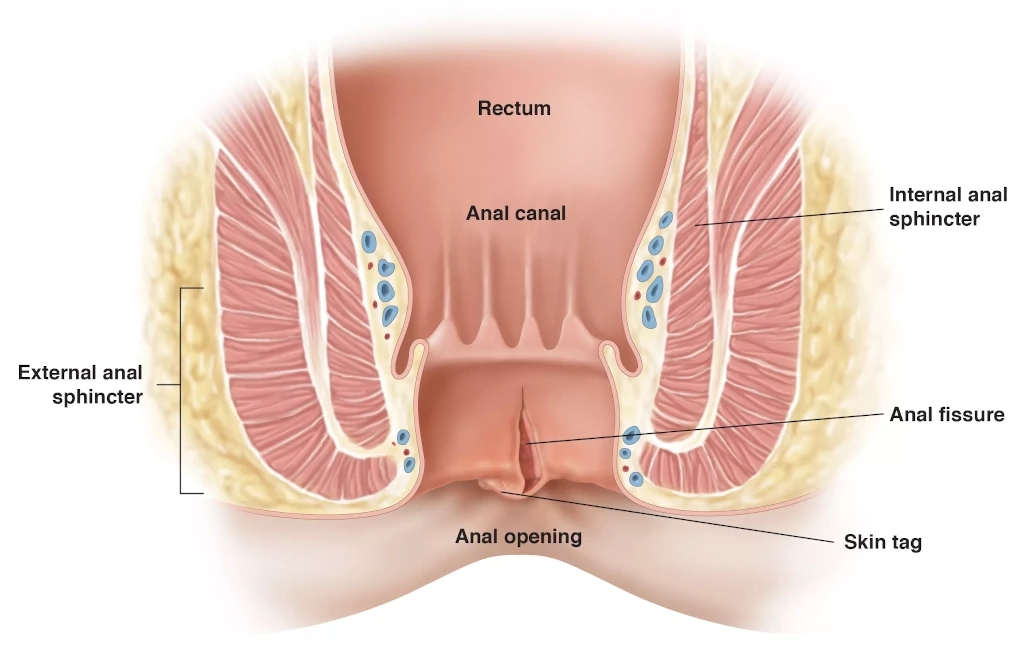
An anal fissure is a small tear or cut in the lining of the anus. It can cause pain and discomfort during bowel movements, and may also result in bleeding.
Anal fissures are a common condition that can affect people of all ages. But, they are more common in infants and young children, as well as in adults who are constipated, have diarrhea, or have had recent surgery in the anal area.
Symptoms of Anal Fissure
The symptoms of an anal fissure may include:
Pain during bowel movements: The pain may be sharp, burning, or throbbing, and may last for several minutes after the bowel movement.
Bleeding: Small amounts of bright red blood may appear on toilet paper or in the stool.
Itching or burning around the anus: The area around the anus may feel irritated and itchy, and there may be a burning sensation.
Muscle spasms: The muscles around the anus may spasm or tighten, causing discomfort and pain.
Constipation: Anal fissures are often caused by hard or large stools, so constipation may be present.
While anal fissures are typically not a serious condition, they can cause significant discomfort and can be easily treated with proper care.
What causes Anal Fissures?
Anal fissures can be caused by a variety of factors, including:
Constipation: Passing hard or large stools can stretch and tear the lining of the anus.
Diarrhea: Frequent loose bowel movements can irritate the anal area and cause a fissure.
Straining during bowel movements: Pushing too hard during bowel movements can put pressure on the anus and cause a fissure.
Childbirth: The strain of giving birth can cause an anal fissure in some women.
Anal intercourse: Repeated anal sex or trauma to the anal area can cause a fissure.
Inflammatory bowel disease: Conditions such as Crohn’s disease or ulcerative colitis can cause inflammation and damage to the anal area.
Poor hygiene: Infrequent cleaning of the anal area can lead to irritation and fissures.
Aging: As we age, the skin and tissues around the anus become thinner and less elastic, making them more prone to tears.
Top 10 commonly used Homeopathic Medicines for Anal Fissures
Anal fissures can be painful and difficult to treat. Here are the top 10 commonly used homeopathic medicines for acute and chronic anal fissures:
Nitricum acidum: This remedy is indicated for chronic anal fissures that are associated with sharp, tearing pain, and bleeding during bowel movements. The pain may be worse at night, and the patient may experience a burning sensation in the anus after bowel movements.
Graphites: This remedy is indicated for anal fissures that are associated with burning, itching, and soreness around the anus. The stool may be hard and lumpy, and the patient may experience constipation and a feeling of fullness in the rectum.
Silicea: This remedy is indicated for chronic anal fissures that are slow to heal and may be associated with pus discharge. The patient may experience constipation and may have difficulty passing stool.
Ratanhia: This remedy is indicated for chronic anal fissures that are associated with burning pain and a sensation of protrusion of the rectum. The pain may be worse after bowel movements, and the patient may have difficulty sitting.
Aesculus hippocastanum: This remedy is indicated for chronic anal fissures that are associated with sharp, shooting pain in the anus during and after bowel movements. The pain may be accompanied by a sensation of a lump or swelling in the anus, and the stool may be hard and dry.
Hamamelis virginiana: This remedy is indicated for acute anal fissures that are associated with bleeding and a feeling of soreness or rawness in the anus. The patient may experience a burning sensation during and after bowel movements, and the pain may be worse when sitting.
Nux vomica: This remedy is indicated for acute anal fissures that are associated with constipation and straining during bowel movements. The patient may experience a feeling of incomplete bowel movement and may have a frequent urge to go to the bathroom.
Thuja Occidentalis: This remedy has been used for a wide variety of health conditions, including chronic anal fissures. Some homeopathic practitioners believe that Thuja may be helpful for anal fissures that are associated with hard, knotty stools and a sensation of fullness in the rectum. The pain may be worse when sitting, and there may be a discharge of mucus from the anus.
Calcarea Flourica: Calc Fluor is a tissue salt that is believed to help strengthen tissues in the body, including the tissues of the anal region. In homeopathy, Calc Fluor is often recommended for anal fissures that are chronic and recurrent.
The fissures may be accompanied by hard, knotty stools, and a sense of constriction or tightness in the anus. The pain may be worse during and after bowel movements and the area around the fissure may feel hard or indurated.
Paeonia: This homeopathic remedy is often used for the treatment of anal fissures. Paeonia is derived from the root of the peony plant and is believed to have anti-inflammatory and analgesic properties that can help relieve the symptoms of anal fissures.
Paeonia is indicated for anal fissures that are associated with sharp, tearing pains during and after bowel movements. The pain may be accompanied by burning or itching sensations, and there may be a discharge of pus or blood from the anus. The patient may also experience constipation, and the stool may be hard and difficult to pass.
It is important to consult a qualified homeopathic practitioner who can assess your specific symptoms and provide an individualized treatment plan. Homeopathic remedies are safe and gentle, but it is important to follow the dosage and instructions carefully to avoid any adverse reactions.
Diet and precautions need to follow for Anal Fissure
Making some dietary and lifestyle changes can help prevent and manage anal fissures. Here are some tips:
Increase fiber intake: Eating foods that are high in fiber, such as fruits, vegetables, and whole grains, can help soften stools and make them easier to pass, reducing the risk of developing anal fissures.
Drink plenty of water: Drinking enough water and staying hydrated can help keep stools soft and reduce the risk of constipation.
Avoid spicy and acidic foods: Foods that are spicy or acidic can irritate the anal area and worsen symptoms of anal fissures.
Avoid straining during bowel movements: Straining during bowel movements can put pressure on the anus and increase the risk of developing anal fissures. If you are having difficulty passing stools, try using a stool softener or increasing fiber intake.
Practice good hygiene: Keeping the anal area clean and dry can help prevent irritation and infection. Avoid using harsh soaps or wipes, and consider using a sitz bath to clean the area.
Exercise regularly: Regular exercise can help regulate bowel movements and reduce the risk of constipation, which can contribute to the development of anal fissures.
Discover more from Homoeopathy For Healthcare
Subscribe to get the latest posts sent to your email.
 Homoeopathy For Healthcare